The history of Saqqara Necropolis is closely connected to Memphis,
one of the most influential cities of ancient Egypt.
During the Early Dynastic Period and the Old Kingdom,
Memphis served as a major political and administrative centre.
Saqqara Necropolis became one of its most important cemeteries.
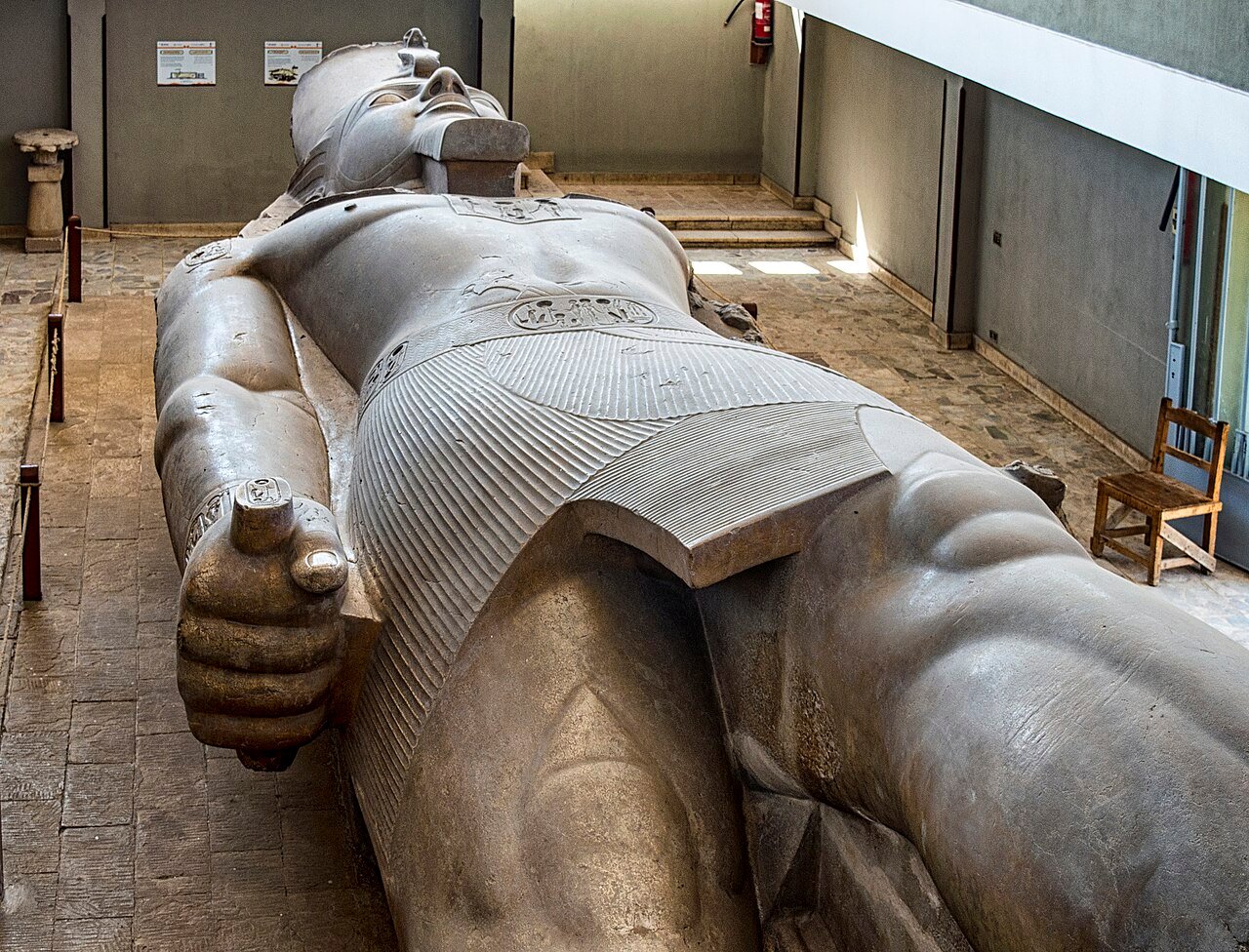
Kings, high-ranking officials and wealthy members of society
commissioned tombs in the desert west of the Nile.
Some of the earliest surviving burial structures at Saqqara Necropolis
date to Egypt's First and Second Dynasties.
As Egyptian architecture evolved, simple rectangular tomb
structures gradually developed into increasingly ambitious
royal monuments.
A Turning Point in Architecture
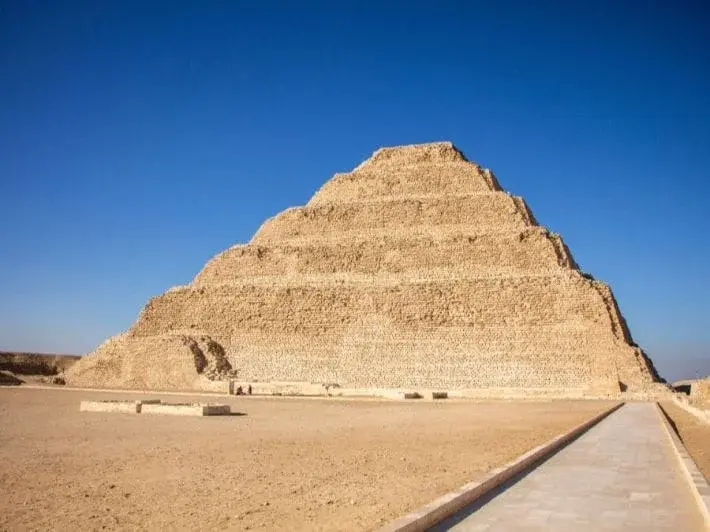
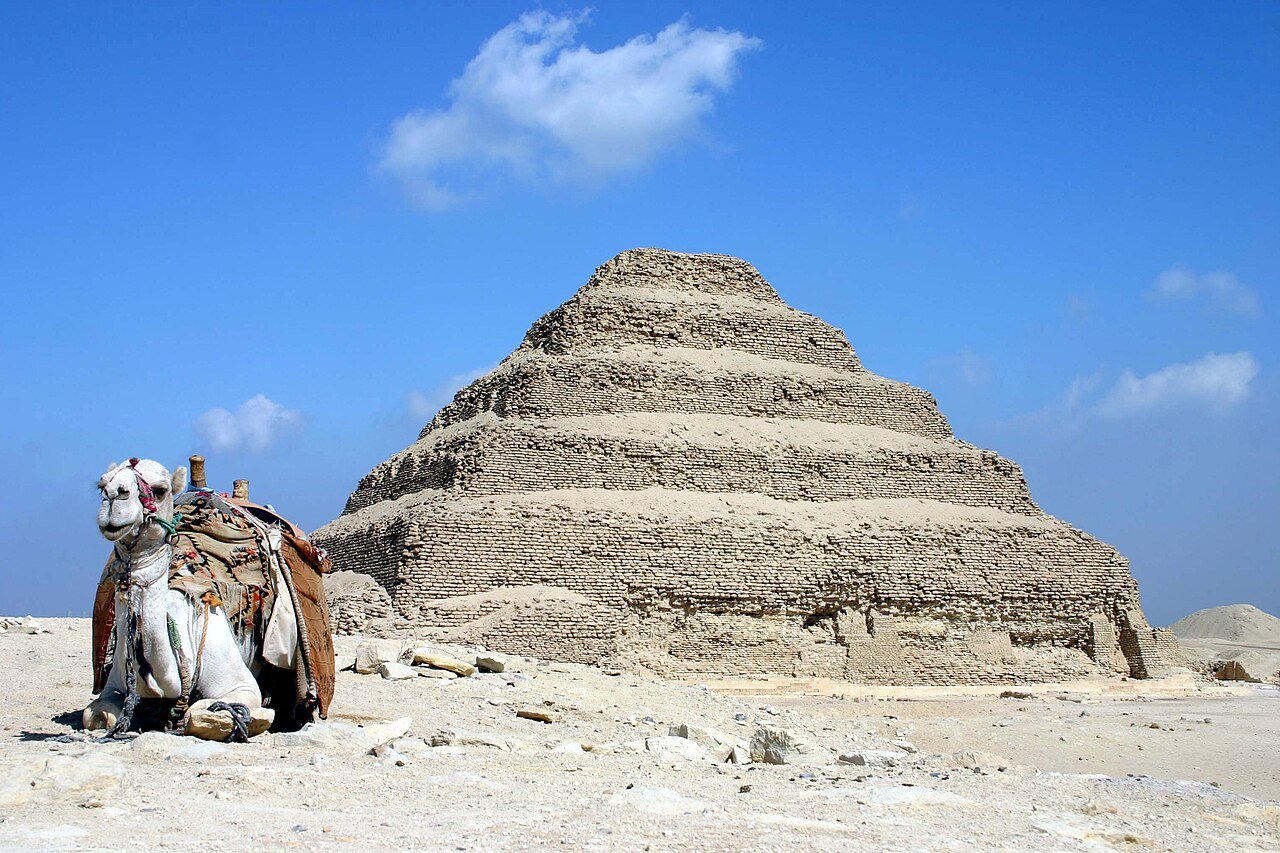
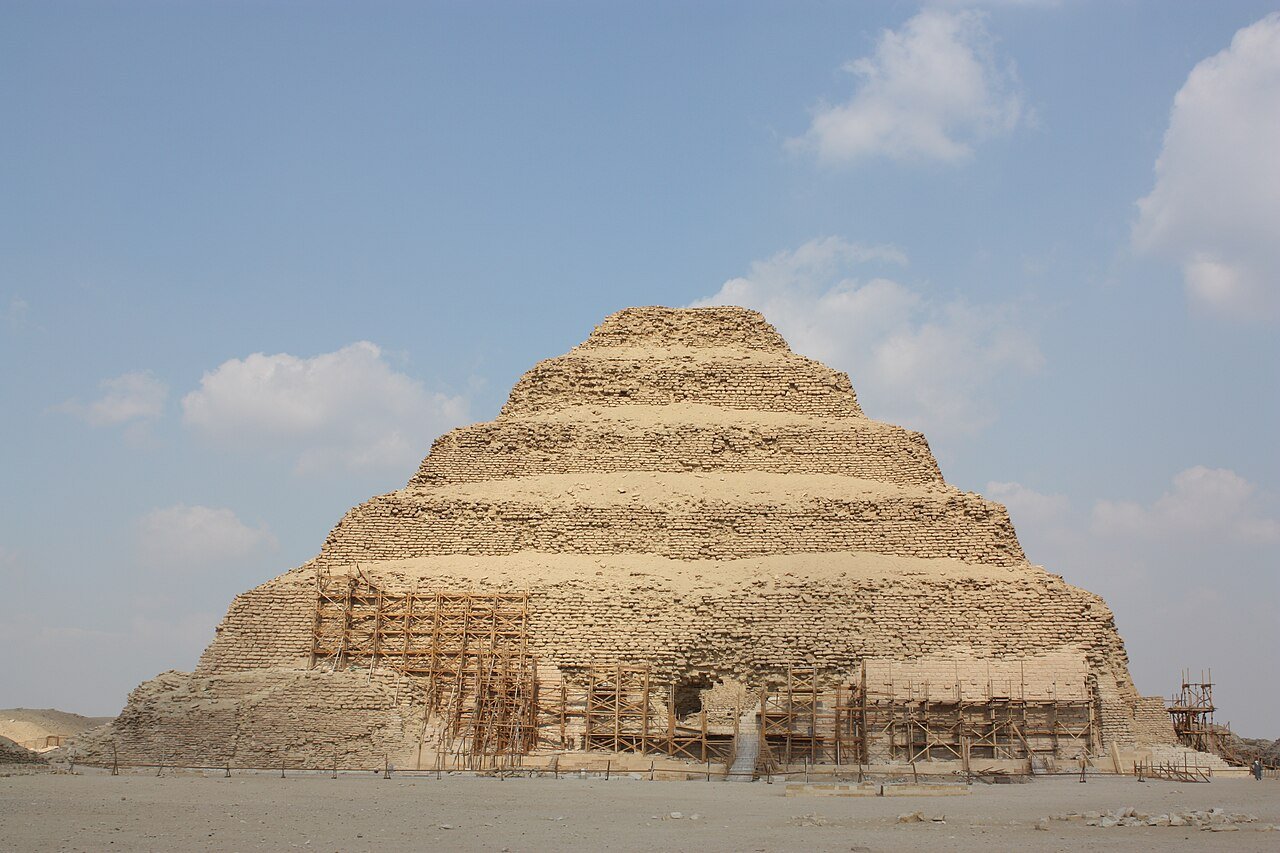
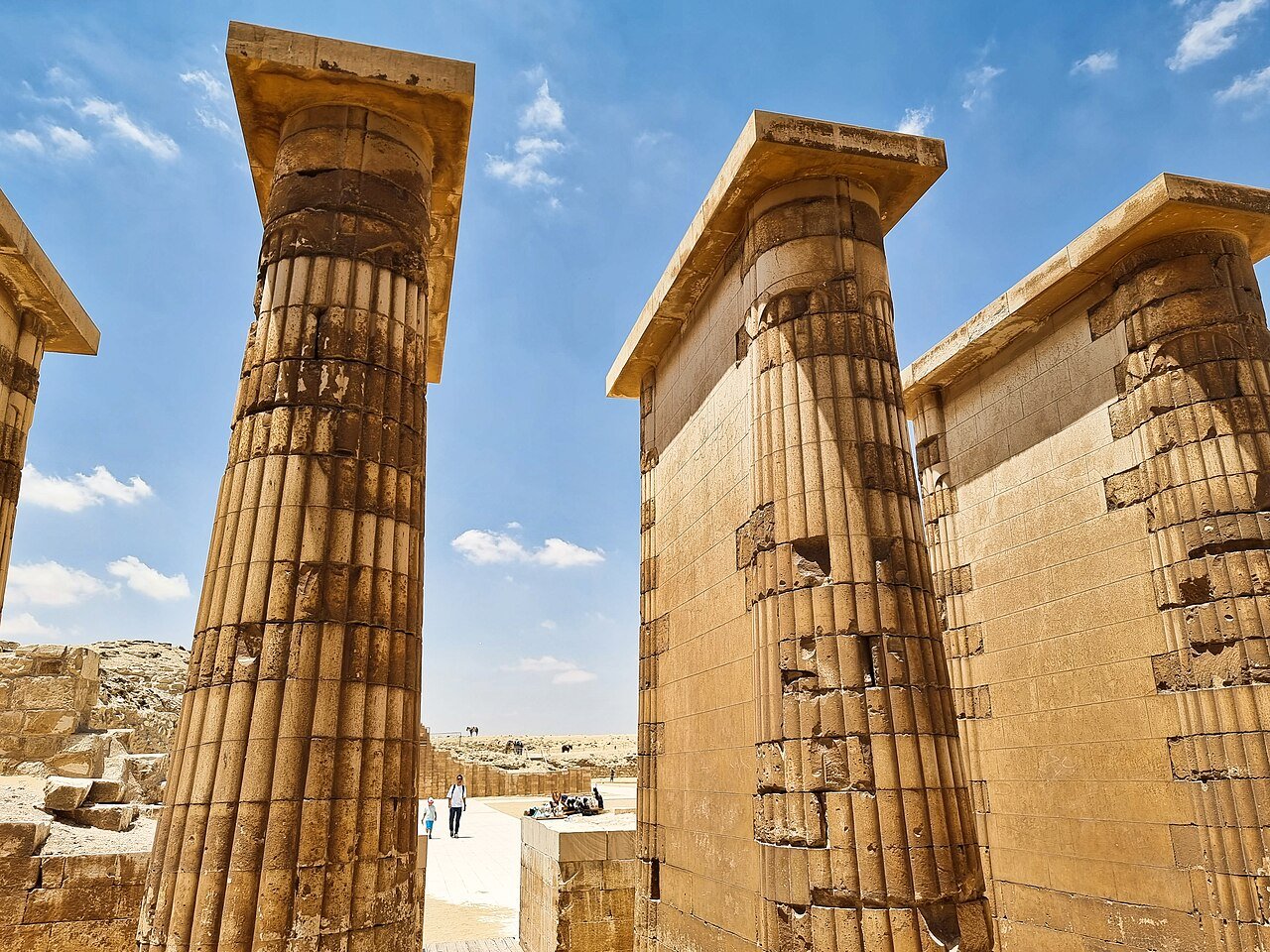
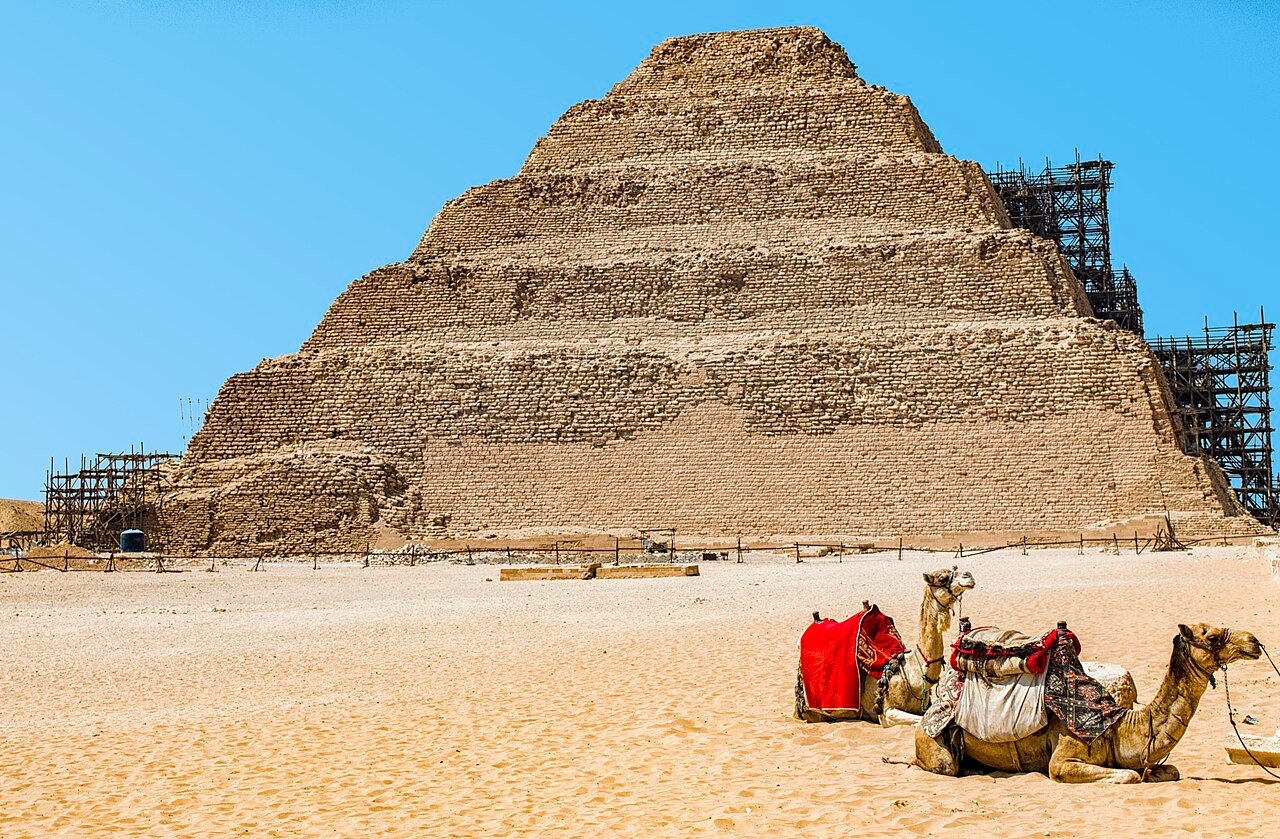
This transformation reached a turning point during the reign
of King Djoser, when the Step Pyramid introduced
a revolutionary new approach to monumental stone construction.
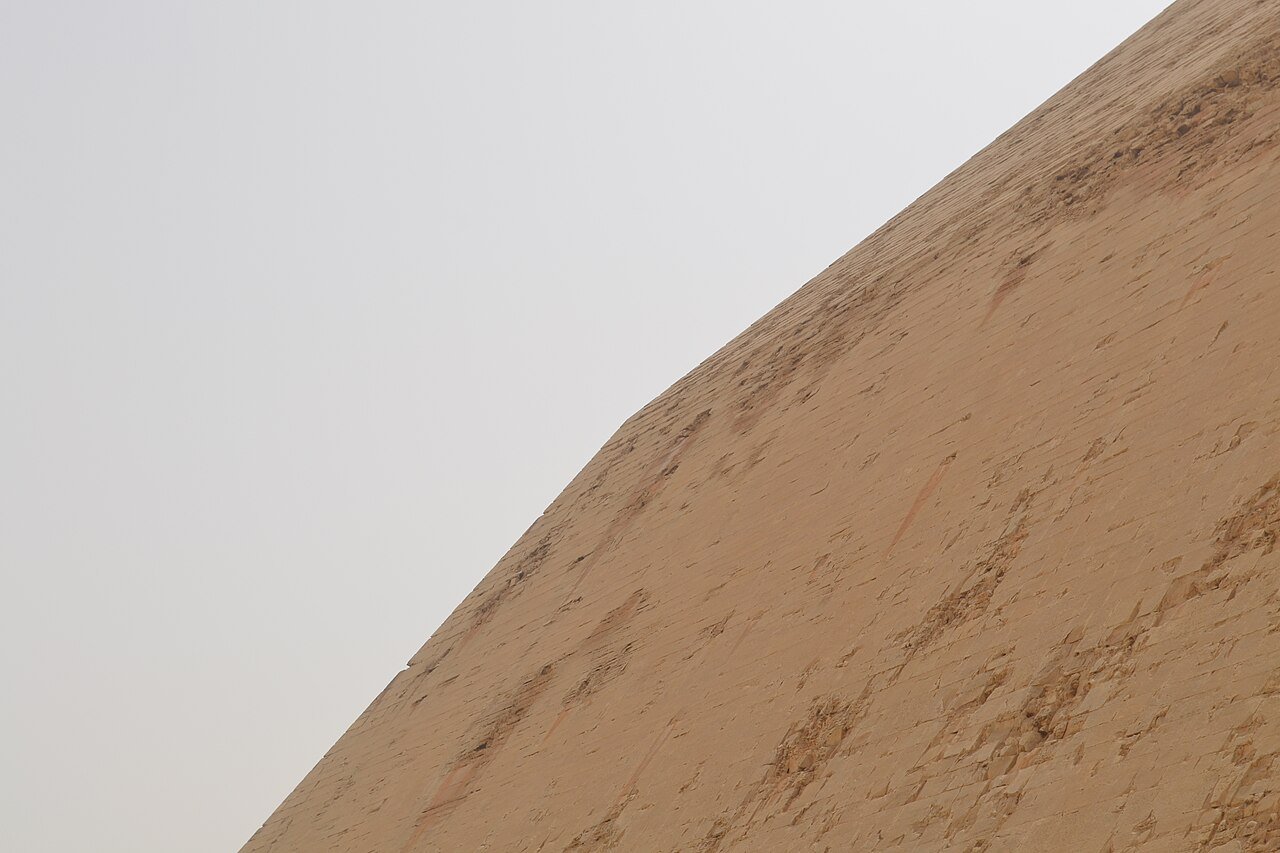
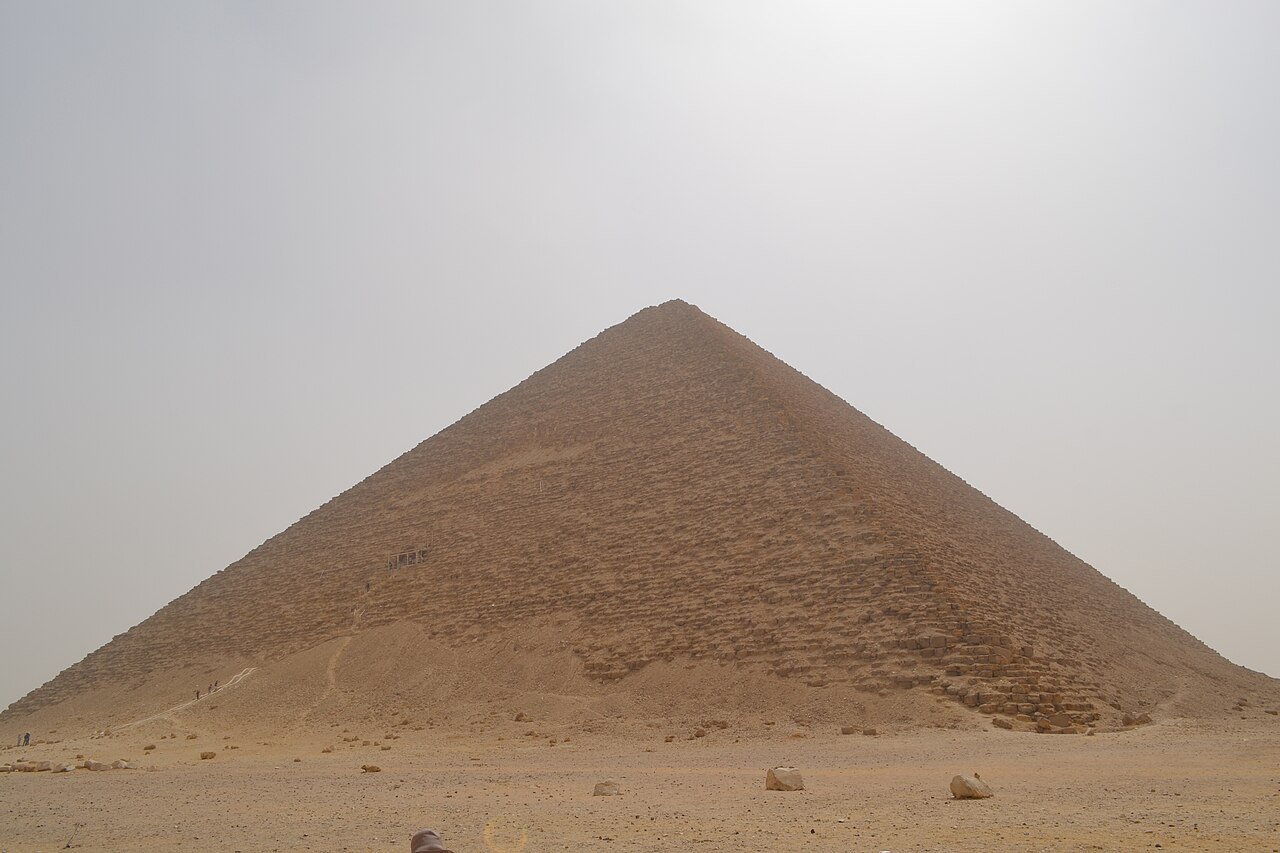
Later rulers continued building pyramids at Saqqara Necropolis,
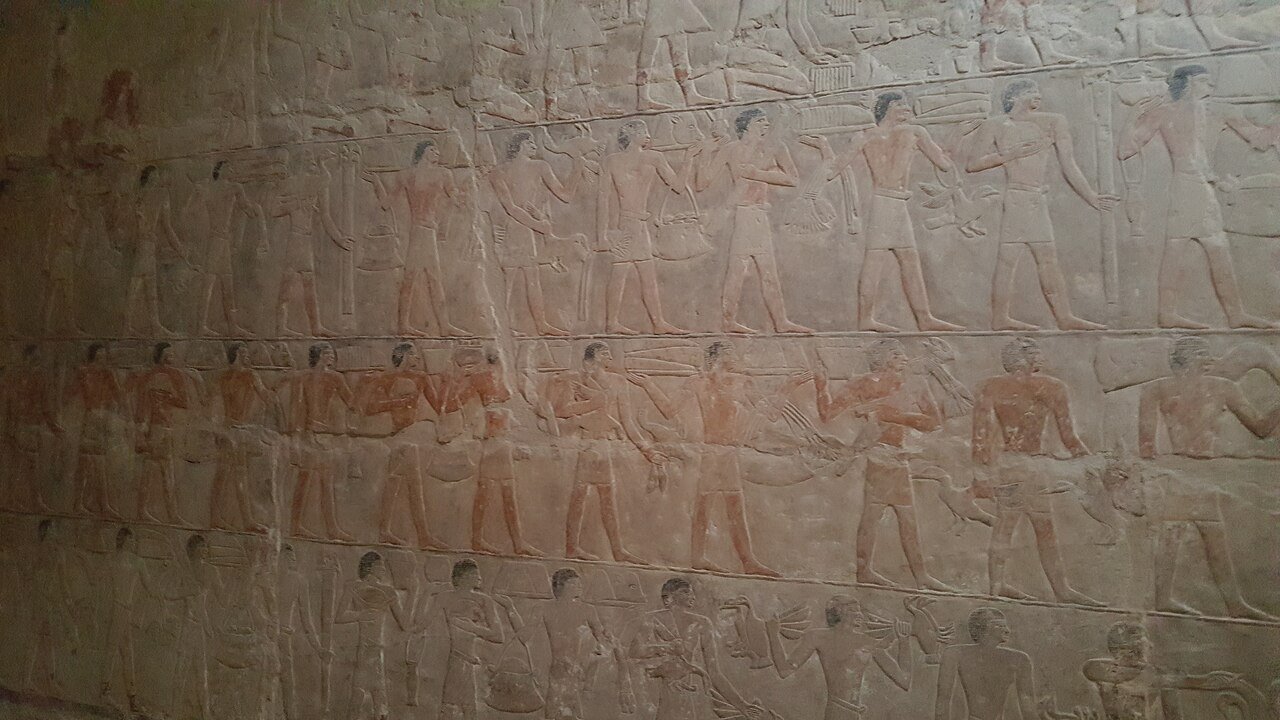
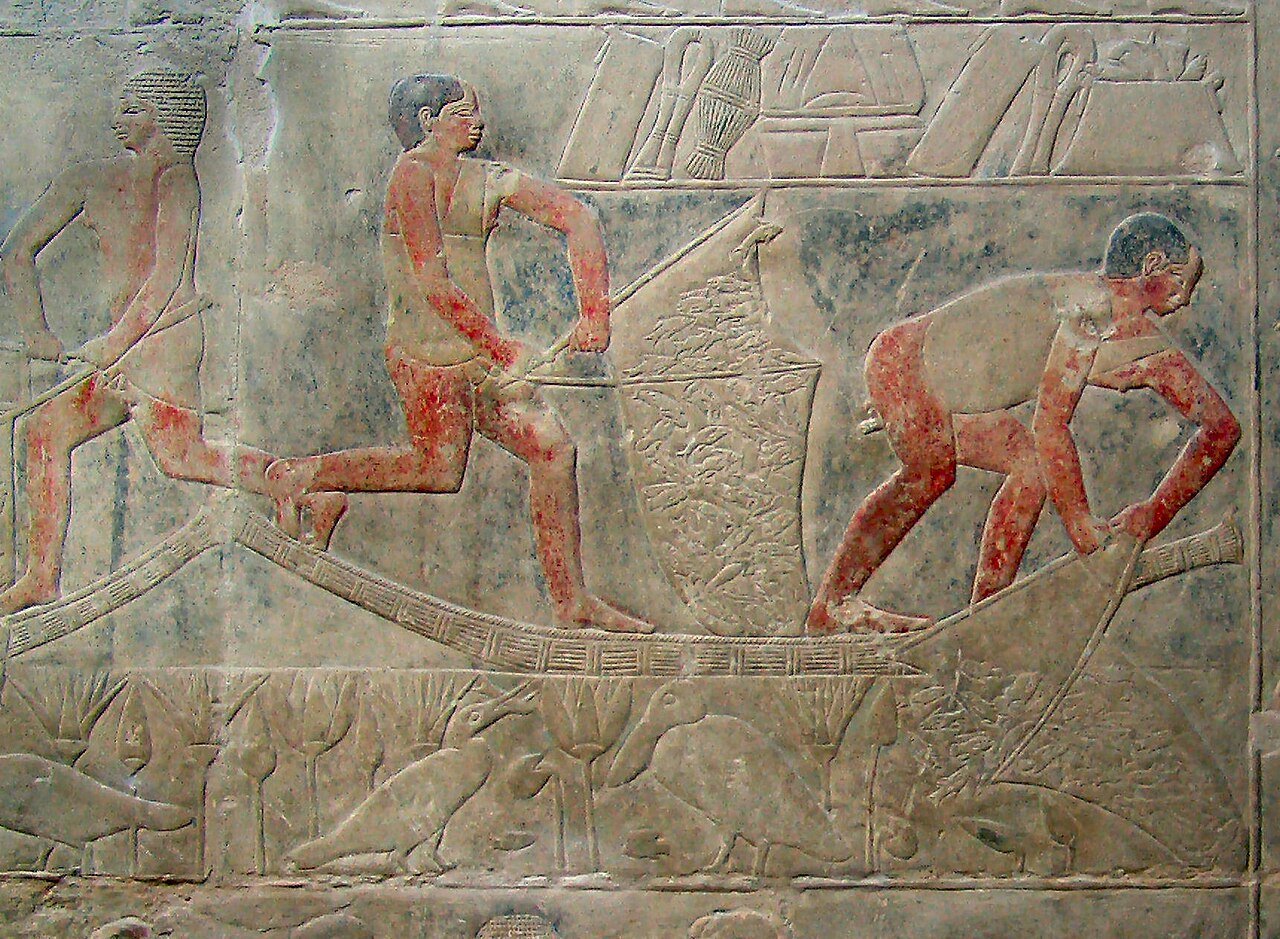
while nobles decorated their tombs with remarkable scenes
of daily life, religious ceremonies and agricultural activities.
The site remained significant through many subsequent
periods of Egyptian history.
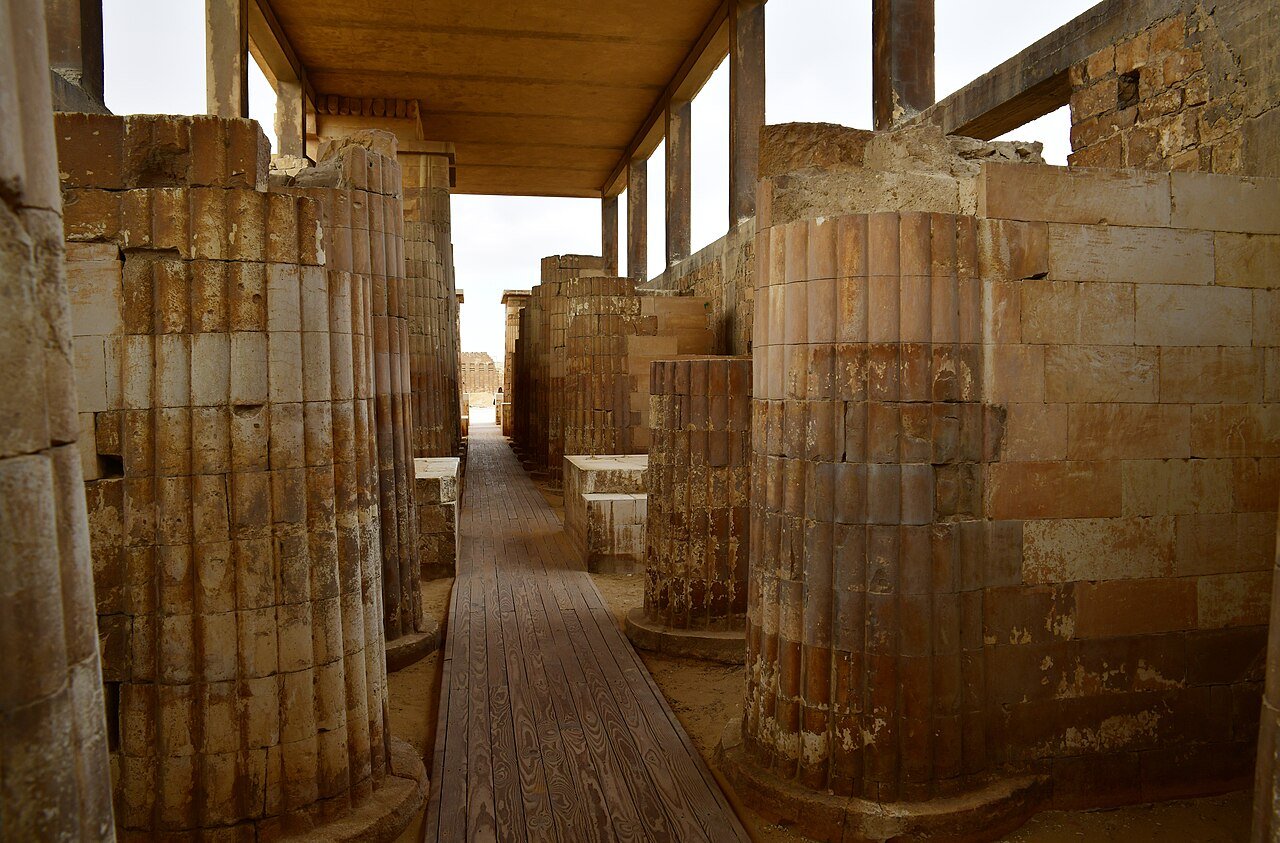
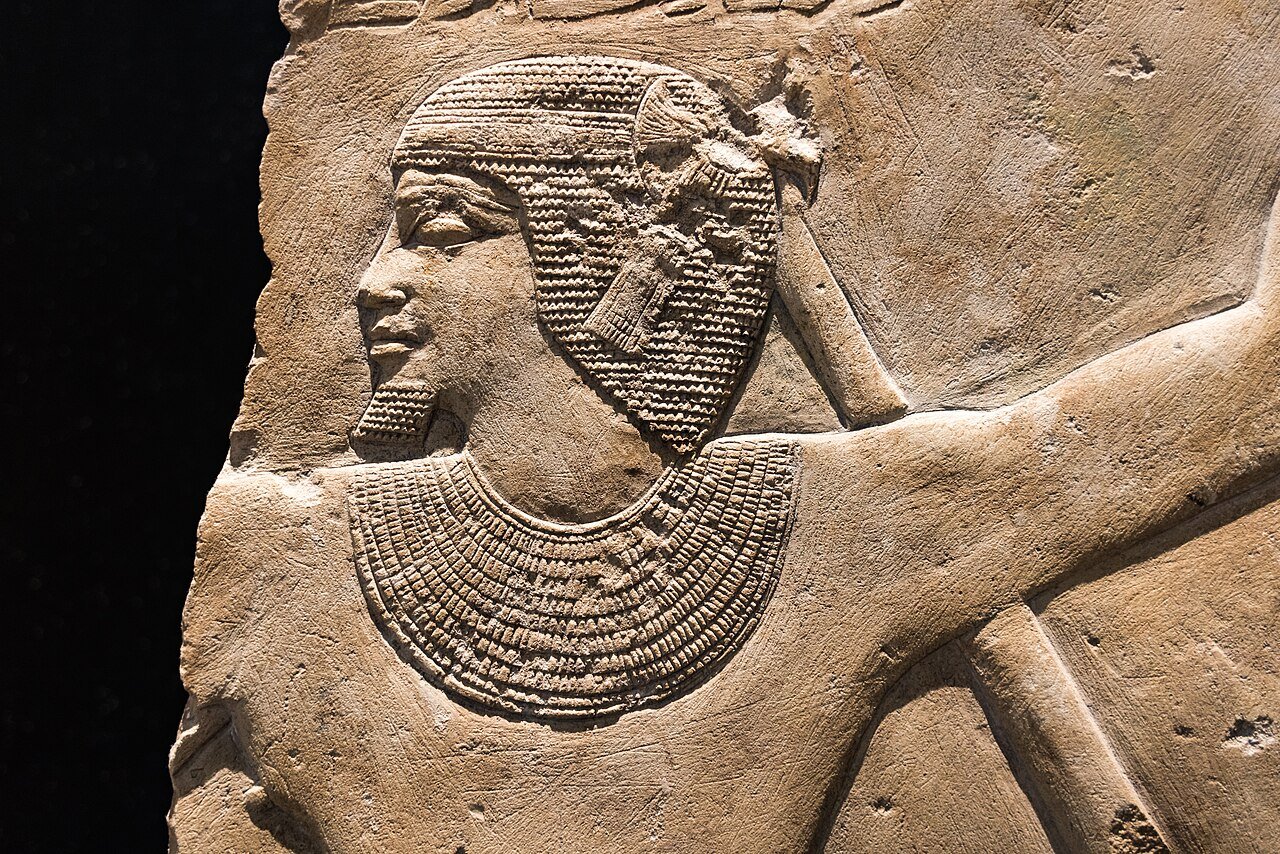
Today, Saqqara Necropolis preserves an extraordinary record of changing
religious traditions, artistic styles and burial practices.