Cairo Citadel • Salah al-Din • Muhammad Ali Mosque • History • Private Tours
Saladin Citadel in Cairo: History, Mosques & Visitor Guide
Discover one of Cairo's most impressive historic landmarks.
Saladin Citadel, also known as the Cairo Citadel or Citadel of Salah al-Din,
is a medieval fortress overlooking Egypt's capital. Construction began in
1176 under Sultan Saladin to strengthen Cairo's defences. Today, this
UNESCO-listed Historic Cairo landmark is famous for the Mosque of Muhammad
Ali, monumental fortifications, museums and panoramic city views from the
Muqattam Hills.
High above Cairo's busy streets stands one of Egypt's
most impressive medieval landmarks: Saladin Citadel.
Also called the Cairo Citadel or
Citadel of Salah al-Din, this historic
fortress has overlooked the city for more than eight centuries.
Built on the Muqattam Hills, the Citadel was originally
designed to defend Cairo and its surrounding settlements.
Over time, it became far more than a military stronghold.
It served as a centre of political power, a royal residence
and an important setting for some of Egypt's most significant
historical events.
Today, visitors can explore magnificent mosques,
imposing stone fortifications, historic museums
and open courtyards with extraordinary views over Cairo.
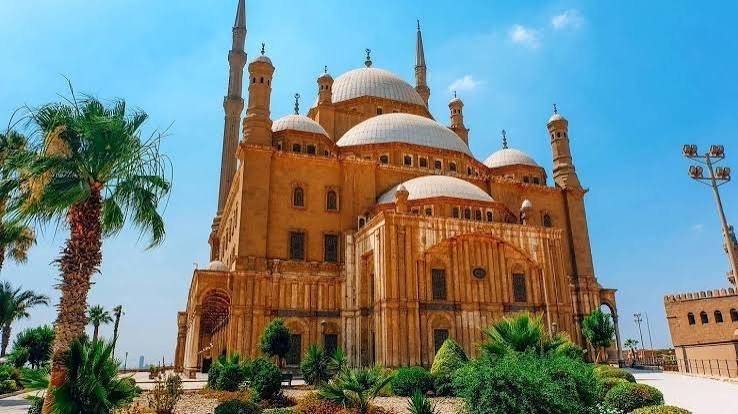
The most recognisable monument is the
Mosque of Muhammad Ali, whose enormous
domes and slender minarets dominate the city's skyline.
Whether you love history, Islamic architecture
or photography, Saladin Citadel is one of the most
rewarding attractions to visit in Cairo.
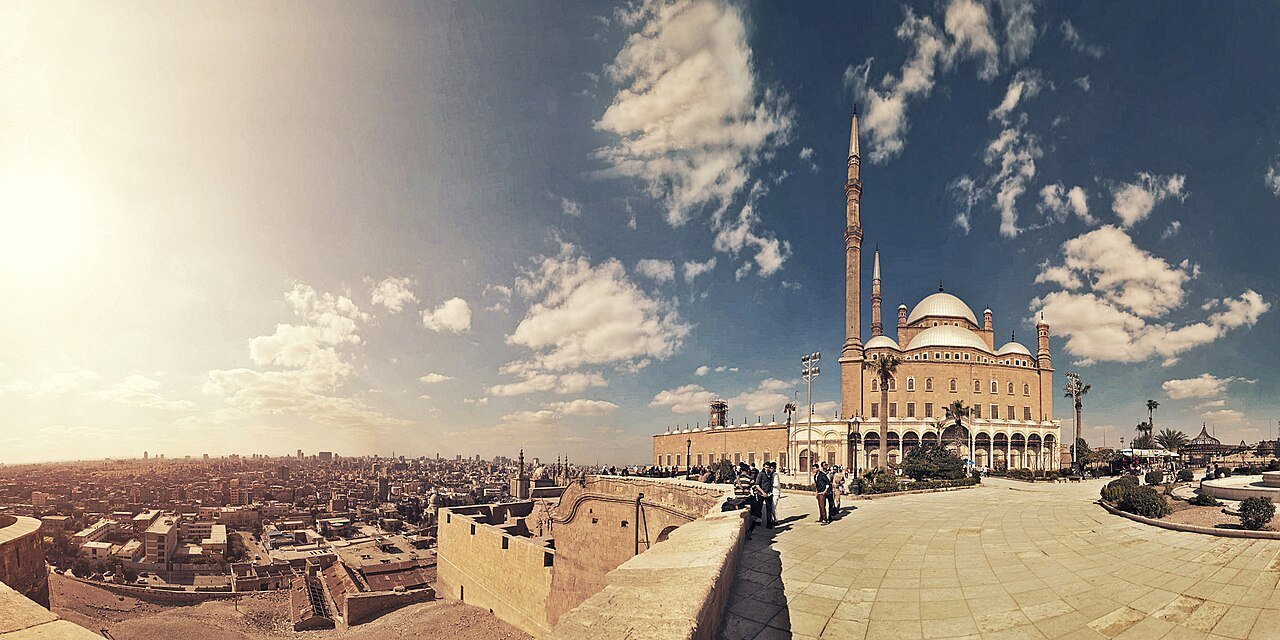
Saladin Citadel overlooking Cairo
Essential Visitor Facts
Saladin Citadel Cairo: Facts at a Glance
Feature
Information
Official name
Citadel of Salah al-Din al-Ayyubi
Alternative names
Saladin Citadel, Cairo Citadel
Location
Muqattam Hills, Cairo, Egypt
Construction began
1176 AD
Founder
Sultan Saladin
Completion
Under Sultan Al-Kamil
Original purpose
Military defence
Later function
Residence and administrative centre of Egyptian rulers
Most famous monument
Mosque of Muhammad Ali
Other attractions
Al-Nasir Muhammad Mosque, historic towers, museums
UNESCO context
Within Historic Cairo, inscribed in 1979
Recommended visit
Approximately 2–3 hours
Eight Centuries of History
The History of Saladin Citadel
The history of Saladin Citadel begins in the 12th century,
when Egypt faced significant military and political challenges.
In 1176 AD, Sultan Saladin ordered
the construction of a powerful fortress on the Muqattam Hills.
The location was carefully chosen. Its elevated position
provided a commanding view of Cairo and the surrounding
landscape, while its massive stone walls and defensive
towers offered protection against potential attacks.
Saladin intended the Citadel to strengthen the city's
defences during a period marked by conflict with
the Crusader states.
However, the fortress was not completed during his lifetime.
Construction continued under later Ayyubid rulers,
and Sultan Al-Kamil established the Citadel as
an important royal residence.
Historic architecture of the Cairo Citadel
1176Construction begins under Saladin
13th centuryThe Citadel becomes a royal residence
19th centuryRoyal residence moves to Abdeen Palace
Over the following centuries, successive dynasties
transformed the complex, adding mosques, palaces,
administrative buildings and military structures.
The Citadel remained a major centre of government
until the 19th century, when Khedive Ismail transferred
the official royal residence to Abdeen Palace.
Today, the buildings within its walls reflect different
chapters of Egypt's medieval and modern history.
Saladin, known in Arabic as Salah al-Din al-Ayyubi,
was the founder of the Ayyubid dynasty and one of
the most influential rulers of the medieval Middle East.
He became ruler of Egypt in the 12th century
and later united territories across Egypt and Syria.
Saladin is particularly remembered for his military
campaigns against the Crusader states and his
recapture of Jerusalem in 1187.
In Cairo, one of his most enduring architectural
legacies is the Citadel that bears his name.
Why Did Saladin Build the Citadel?
Saladin ordered the fortress to strengthen
Cairo's military defences.
Its position on the Muqattam Hills allowed defenders
to observe the surrounding area and protect important
approaches to the city.
The Citadel formed part of a broader defensive vision
that included fortifications intended to protect
Cairo and Fustat.
Its strategic importance continued long
after Saladin's death.
When Was Saladin Citadel Completed?
Construction began in 1176 AD under Saladin.
The fortress was not completed during his lifetime,
and building work continued under his successors.
During the reign of Sultan Al-Kamil in the early
13th century, the Citadel became an official
residence of Egypt's rulers.
The complex continued to develop under later
dynasties, so its present appearance reflects
centuries of additions and architectural changes.
The Citadel developed over successive centuries
Explore the Historic Fortress
Best Things to See Inside Saladin Citadel
From monumental mosques and medieval defensive walls to museums and panoramic viewpoints, Saladin Citadel brings together some of Cairo's most remarkable historic attractions.
Mosque of Muhammad Ali — The Alabaster Mosque
Attraction 01
1. Mosque of Muhammad Ali — The Alabaster Mosque
The Mosque of Muhammad Ali is the most famous monument inside Saladin Citadel and one of Cairo's most recognisable architectural landmarks.
Built during the 19th century under Muhammad Ali Pasha, the mosque stands prominently above the city.
Its design reflects Ottoman architectural traditions, with a large central dome, surrounding semi-domes and two elegant minarets.
The mosque is often called the Alabaster Mosque because of the pale stone cladding used on parts of its interior and exterior.
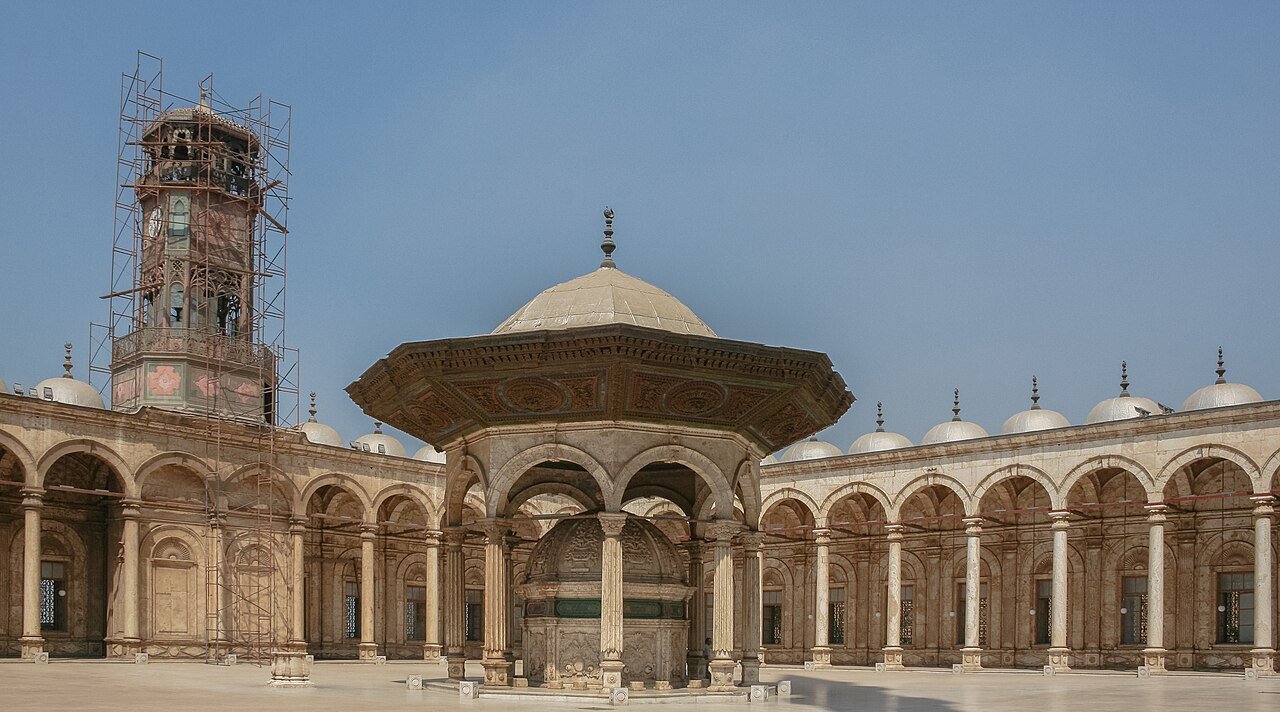
Inside, visitors can admire the enormous prayer hall, decorative details and impressive domed ceiling.
The spacious courtyard offers another memorable architectural experience, including a historic clock tower presented to Muhammad Ali by King Louis Philippe of France.
The mosque also contains the tomb of Muhammad Ali Pasha.
Visitor highlight: For many visitors, this is the highlight of the entire Citadel.
Sultan Al-Nasir Muhammad Mosque — Mamluk architecture
Attraction 02
2. Sultan Al-Nasir Muhammad Mosque
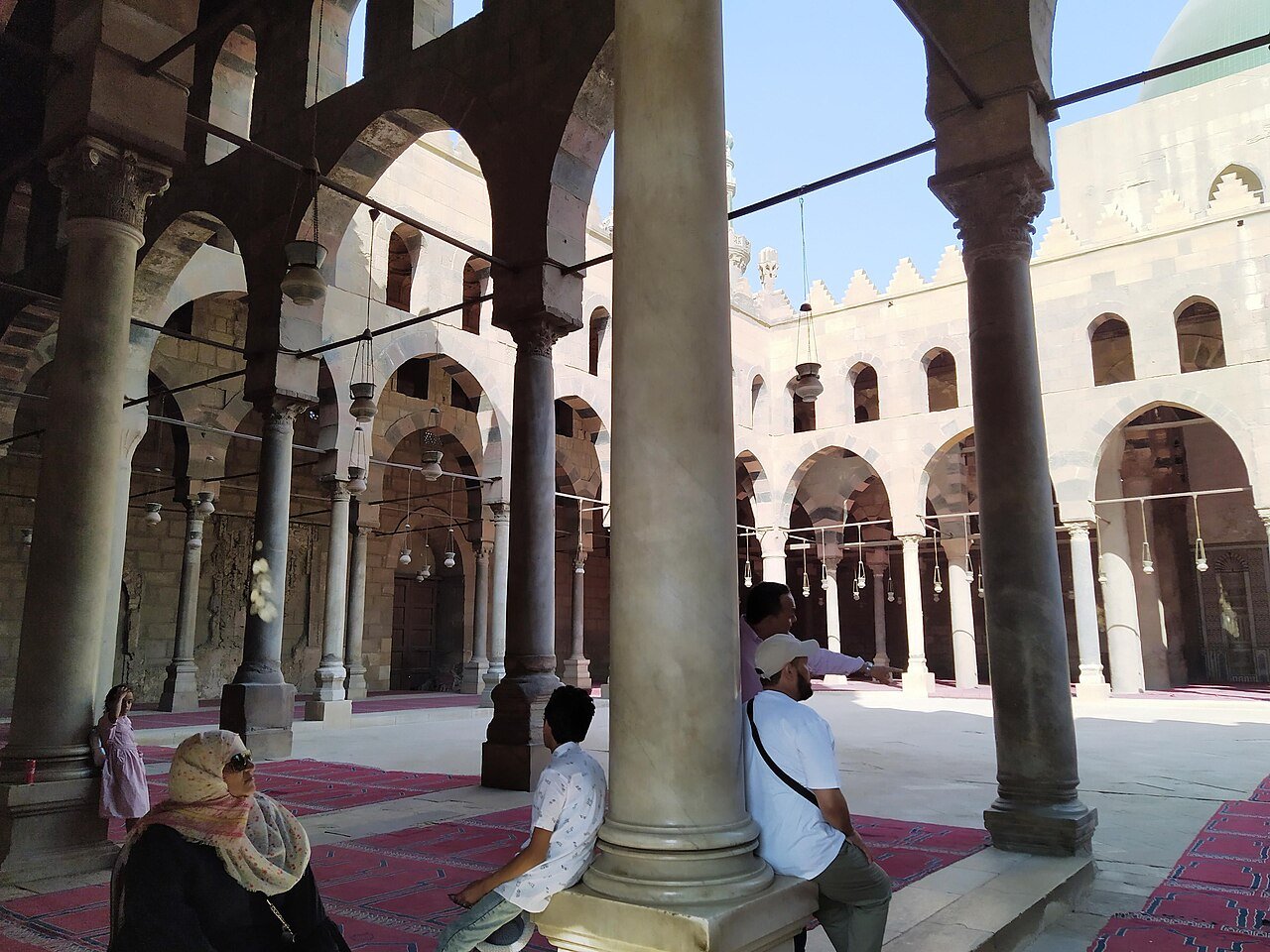
The Mosque of Sultan Al-Nasir Muhammad is one of the most important surviving Mamluk monuments within the Citadel.
Originally constructed in 1318 and rebuilt in 1335, it served as a royal mosque during the Mamluk period.
Its architectural design differs significantly from the Ottoman style of the Mosque of Muhammad Ali.
Visitors can admire an open courtyard surrounded by arcades, decorative details and distinctive minarets.
The mosque provides an excellent opportunity to compare two major periods of Islamic architecture within the same historic complex.
Historic fortifications and defensive towers
Attraction 03
3. The Historic Walls and Towers of Saladin Citadel
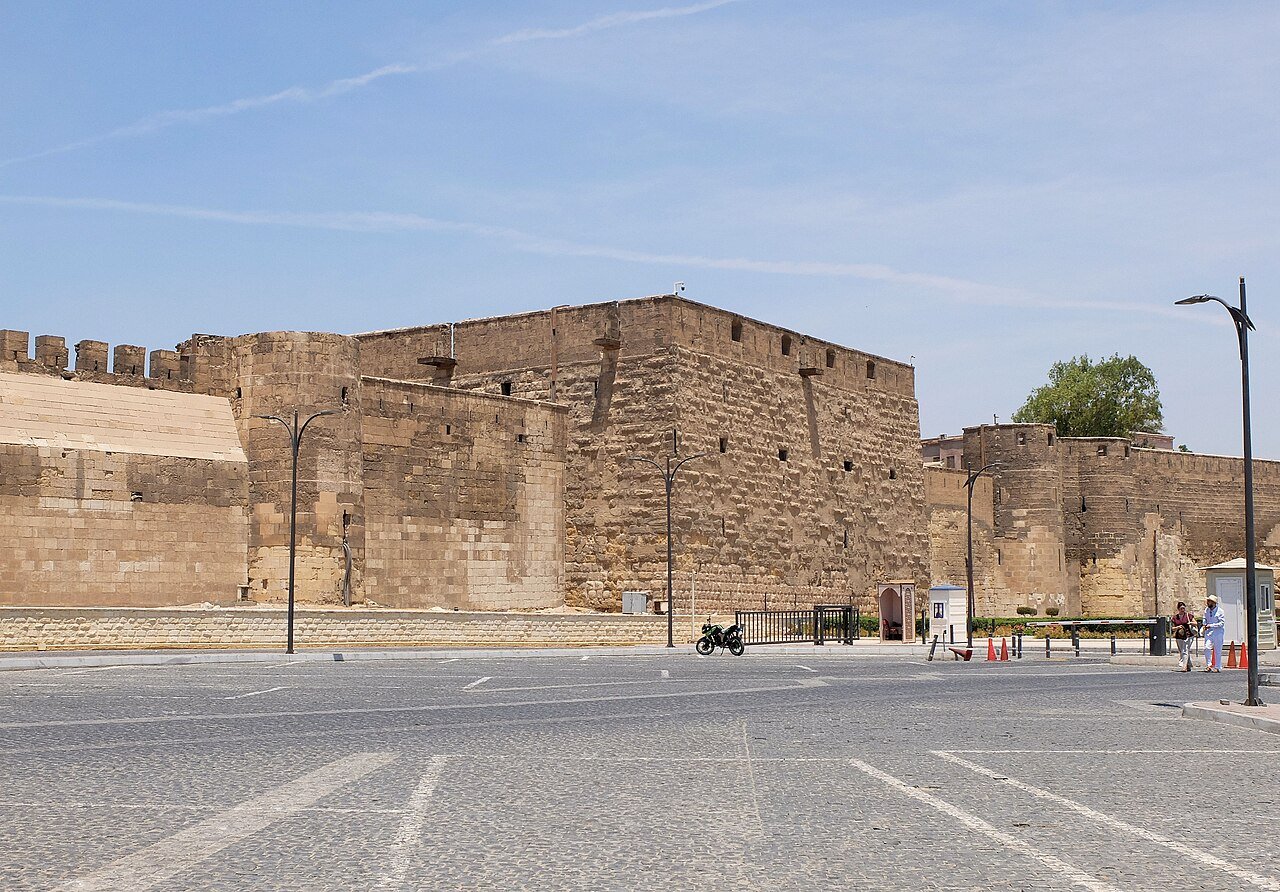
Long before the Citadel became famous for its mosques, it was designed as a powerful military fortress.
Its massive limestone walls, defensive towers and strategic position demonstrate the engineering skills of medieval builders.
The northern enclosure was particularly associated with military functions, while the southern section developed important residential and ceremonial roles.
Some towers date to Saladin's reign, while others were modified or expanded by later rulers.
These fortifications reveal the original purpose of the Citadel and help visitors understand why its location was so strategically important.
Attraction 04
4. The National Military Museum
The National Military Museum is another important attraction associated with the Cairo Citadel.
Its exhibitions explore aspects of Egypt's military history through different periods.
For travellers interested in warfare, military technology and Egypt's political history, the museum can add another dimension to a Citadel visit.
Visitor tip: Museum access and exhibition availability should be confirmed before travelling.
Attraction 05
5. The Police Museum and Al-Jawhara Palace
The Citadel also contains buildings associated with Egypt's more recent history.
The Police Museum presents aspects of Egyptian policing and institutional history.
Al-Jawhara Palace is connected with the period of Muhammad Ali Pasha and the transformation of the Citadel during the 19th century.
These sites provide additional context beyond the medieval fortress and its religious monuments.
Visitor tip: Not all buildings or exhibitions are necessarily open at all times, so check access arrangements in advance.
Panoramic views of historic Cairo from the Citadel
Attraction 06
6. Panoramic Views of Cairo
One of the most memorable experiences at Saladin Citadel is simply looking out over Cairo.
From its elevated position, visitors can enjoy sweeping views across the historic city.
On clear days, the panorama reveals countless rooftops, minarets and architectural landmarks stretching into the distance.
The views are particularly impressive for photography and offer a completely different perspective on Cairo's enormous scale.
For visitors who enjoy combining history with scenic viewpoints, this is one of the Citadel's strongest attractions.
Understand the Difference
Mosque of Muhammad Ali vs Saladin Citadel: What's the Difference?
Many travellers confuse the two names, but they refer to different places.
Saladin Citadel is the entire historic fortress complex, including defensive walls, courtyards, mosques and museums.
The Mosque of Muhammad Ali is one of the most famous buildings inside the Citadel.
The fortress dates back to the 12th century, while the mosque was built in the 19th century.
Saladin Citadel
Mosque of Muhammad Ali
Medieval fortress complex
Historic mosque inside the fortress
Construction began in 1176
Built in the 19th century
Founded by Saladin
Commissioned by Muhammad Ali Pasha
Includes multiple monuments
Famous for Ottoman-style domes and minarets
Military and political history
Religious and architectural significance
Understanding this distinction helps visitors plan their experience and recognise the different historical periods represented within the Citadel.
Historical Highlights
7 Fascinating Facts About Saladin Citadel
01
Construction began in 1176 AD. Saladin ordered the fortress to strengthen Cairo's defences.
02
Saladin never saw the completed fortress. Construction continued under later Ayyubid rulers.
03
It served as a seat of government for centuries. The Citadel remained an important political centre until the 19th century.
04
Its most famous mosque was built much later. The Mosque of Muhammad Ali belongs to the 19th century.
05
It contains monuments from different dynasties. Ayyubid, Mamluk and Ottoman-era architectural influences can be seen across the complex.
06
Its location was chosen for defence. The elevated Muqattam Hills offered strategic advantages.
07
It offers spectacular views of Cairo. The fortress's position makes it one of the city's notable panoramic viewpoints.
Saladin Citadel is located on the Muqattam Hills
in eastern Cairo, overlooking the historic districts of the city.
The elevated position makes the fortress easy to recognise
from many parts of Cairo, particularly because of the prominent
domes and minarets of the Mosque of Muhammad Ali.
Interactive map showing Saladin Citadel in Cairo, Egypt.
Plan Your Visit
Saladin Citadel Tickets and Opening Hours
Foreign Visitors — Adult
550 EGP
Foreign Visitors — Student
275 EGP
Official Site Opening Hours
8:00 AM – 5:00 PM
Important visitor information:
The Ministry's published site hours and ticket prices
were checked on 22 October 2026. Individual monuments
may close earlier, and the official booking platform
lists seasonal last-entry times.
Verify the latest information before travelling.
The general Citadel admission includes access to the
Mosque of Muhammad Ali and the
Mosque of Sultan Al-Nasir Muhammad,
subject to their opening arrangements.
Other facilities may have restrictions or separate conditions.
Allow approximately two to three hours
for a comfortable visit to the main mosques,
historic courtyards and panoramic viewpoints.
Visitors interested in military history,
additional museums or detailed architectural
photography may prefer a longer visit.
The ideal duration depends on monument access,
walking pace and the number of buildings
you wish to explore.
Best Time to Visit Saladin Citadel
Morning is often a comfortable choice,
particularly during warmer months.
The Citadel includes large outdoor courtyards
and exposed viewpoints, so visiting earlier
can help avoid the strongest midday heat.
Clear weather is particularly valuable if
you want to enjoy panoramic views of Cairo.
During the cooler months, a late-morning visit
can also be pleasant, provided you allow
enough time before monument closing hours.
What to Wear When Visiting Saladin Citadel
Comfortable walking shoes are recommended
because the complex contains extensive courtyards,
stone surfaces and some uneven areas.
As the Citadel contains active religious monuments,
visitors should dress respectfully when entering mosques.
Clothing that covers shoulders and knees is a sensible
choice, and women may wish to bring a scarf in case
it is required at a particular religious site.
Always follow any instructions displayed
at mosque entrances.
Why Visit This Landmark?
Is Saladin Citadel Worth Visiting?
Absolutely. Saladin Citadel is one
of the most rewarding places in Cairo for travellers
interested in history, architecture and panoramic city views.
The complex combines medieval military engineering
with magnificent religious monuments from later periods.
You can explore a fortress built under Saladin,
admire the remarkable Mosque of Muhammad Ali
and discover the influence of the Mamluk rulers
who once governed Egypt.
For visitors who have already explored the
Pyramids of Giza, the Citadel offers a completely
different perspective on the country's rich
historical heritage.
Frequently Asked Questions
Saladin Citadel Cairo FAQ
Find answers to common questions about Saladin Citadel
in Cairo, including its history, location, entrance fees,
famous mosques, visiting times and private guided tours.
What is Saladin Citadel famous for?
Saladin Citadel is famous for its medieval fortress
architecture, the Mosque of Muhammad Ali, historic
mosques and panoramic views over Cairo.
Who built Saladin Citadel?
Construction began under Sultan Saladin in 1176 AD
and continued under his successors, including
Sultan Al-Kamil.
Where is Saladin Citadel located?
The Citadel is located on the Muqattam Hills in
Cairo, Egypt, overlooking the historic city.
Is the Mosque of Muhammad Ali inside Saladin Citadel?
Yes. The Mosque of Muhammad Ali is one of the
most famous monuments within the Citadel complex.
How much is the Saladin Citadel entrance ticket?
The Egyptian Ministry of Tourism and Antiquities
lists admission for foreign adults at
550 EGP and eligible foreign
students at 275 EGP.
Prices may change, so check the latest official
information before visiting.
How long does it take to visit Saladin Citadel?
Approximately two to three hours is a useful
allowance for the main monuments and viewpoints.
Allow longer if visiting additional museums.
Can you visit Saladin Citadel and Khan El Khalili Bazaar in one day?
Yes. Saladin Citadel and
Khan El Khalili Bazaar
can be combined in a Cairo sightseeing itinerary,
with transport between the two locations.
Is Saladin Citadel part of UNESCO World Heritage?
Yes. The Citadel area forms part of the
UNESCO-listed Historic Cairo World Heritage property.
Can I visit Saladin Citadel with a private guide?
Yes. The Citadel can be included in a customised
private Cairo sightseeing itinerary, subject
to the arrangements agreed with your tour provider.
Discover Saladin Citadel with
egyVibes
Private Cairo Tours
Step beyond the Pyramids of Giza and discover
another extraordinary chapter of Egypt's history.
With
egyVibes,
you can plan a private sightseeing experience exploring
Saladin Citadel, the magnificent Mosque of Muhammad Ali
and the historic landmarks of Islamic Cairo.
Admire impressive medieval fortifications, discover
remarkable Islamic architecture and enjoy panoramic
views over one of the world's most fascinating cities.
Whether you're staying in Cairo, Giza or another Egyptian
city or resort, our team can help you discuss a personalised
itinerary, with transport and tour arrangements confirmed
according to your departure location.