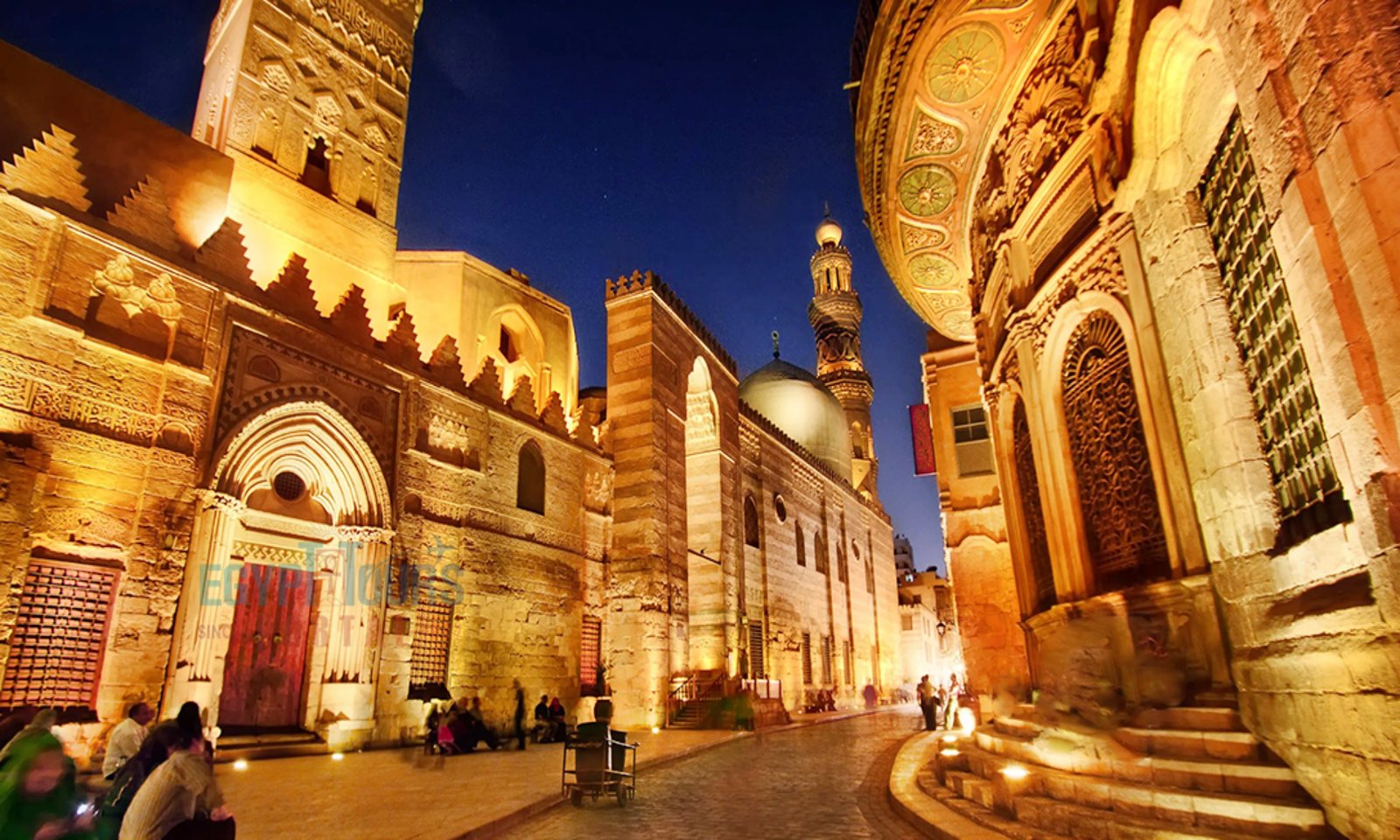
El Moez Street and historic Islamic Cairo architecture illuminated at night
Islamic Cairo • Medieval Architecture • Historic Mosques • Cultural Heritage • Private Tours

El Moez Street Cairo | History, Attractions & Visitor Guide

Discover one of the most remarkable historic streets in Cairo. El Moez Street, also known as Al-Muizz li-Din Allah Street, takes its name from the Fatimid caliph Al-Muizz and is famous for its extraordinary collection of medieval mosques, madrasas, historic houses and Mamluk monuments. Explore centuries of Islamic architecture, discover landmarks including Bab Al-Futuh, Al-Hakim Mosque, the Qalawun Complex and Bab Zuweila, and combine your visit with nearby Khan El Khalili Bazaar.

Discover Islamic Cairo

What Is El Moez Street in Cairo?

There is a side of Cairo that feels almost untouched by time. Behind the busy roads and modern buildings, historic streets reveal centuries of architecture, craftsmanship and everyday life.

El Moez Street, officially known as Al-Muizz li-Din Allah Street, is one of the most remarkable places to discover this heritage.

Located in the heart of Islamic Cairo, the street is lined with magnificent mosques, medieval schools, ornate stone façades, historic houses and monuments built by different Egyptian dynasties.

What makes El Moez Street particularly special is that it is not simply an archaeological site. It remains part of a living neighbourhood where people shop, work, worship and meet friends.

You can admire a centuries-old mosque, walk past traditional shops and discover a beautifully decorated Mamluk building, all within a short distance.

For travellers interested in Egyptian culture beyond the pyramids, El Moez Street is one of Cairo's most rewarding destinations.

El Moez Street and the historic architecture of Islamic Cairo
01 · Discover the atmosphere of historic Islamic Cairo
Essential Visitor Information

El Moez Street Cairo: Facts

FeatureInformation
Official nameAl-Muizz li-Din Allah Street
Common namesEl Moez Street, El Moez Street, Al-Muizz Street
LocationIslamic Cairo, Egypt
OriginsFatimid Cairo, 10th century
Named afterFatimid Caliph Al-Muizz li-Din Allah
Historical periodsFatimid, Ayyubid, Mamluk, Ottoman and later
Famous forIslamic architecture, mosques, madrasas and historic buildings
Northern landmarkBab Al-Futuh
Southern landmarkBab Zuweila
Nearby attractionKhan El Khalili Bazaar
UNESCOPart of Historic Cairo, listed in 1979
Recommended experienceHistoric Cairo walking tour
From Fatimid Cairo to Today

The History of El Moez Street Cairo

The story of El Moez Street begins in 969 AD, when the Fatimids established Cairo as the centre of their rule in Egypt.

The new city was designed as an important political and religious capital. Its main north–south thoroughfare became one of the most significant streets in the Fatimid urban plan.

The street was later named in honour of the Fatimid Caliph Al-Muizz li-Din Allah.

Over the centuries, Cairo expanded and different dynasties transformed the city's architecture.

The Fatimids established important religious monuments. The Ayyubids and Mamluks added schools, mausoleums, hospitals and elaborate religious complexes. Later periods contributed further buildings and commercial activity.

Today, the Egyptian Ministry of Tourism and Antiquities identifies 29 monuments along the historic street, representing architectural developments from the 10th to the 19th centuries.

Walking along El Moez Street therefore offers a rare opportunity to experience several major periods of Cairo's history in one place.

Who Was Al-Muizz li-Din Allah?

Al-Muizz li-Din Allah was a Fatimid caliph who ruled from 953 to 975 AD.

During his reign, Fatimid forces conquered Egypt in 969 AD, and the city of Cairo was founded as a new political centre.

The historic street bears his name, reflecting the importance of the Fatimid period in Cairo's development.

Why Is El Moez Street Historically Important?

El Moez Street preserves an exceptional concentration of Islamic architecture.

Its monuments reveal how Cairo developed under successive dynasties and how religious, educational, commercial and residential buildings formed part of medieval urban life.

Unlike an isolated historic monument, the street allows visitors to experience an entire architectural landscape.

Seven Historic Landmarks

Best Things to See on El Moez Street Cairo

Bab Al-Futuh historic northern gate of Fatimid Cairo
02 · Bab Al-Futuh, the Gate of Conquests
01

Bab Al-Futuh: The Historic Northern Gate

Bab Al-Futuh, also known as the Gate of Conquests, is one of the surviving gates of medieval Cairo.

Built in 1087 AD under the Fatimid vizier Badr Al-Jamali, the gate formed part of the city's defensive walls.

Its imposing stone towers and carefully designed entrance demonstrate the military architecture of the Fatimid period.

For visitors exploring El Moez Street from north to south, Bab Al-Futuh is an impressive starting point.

Al-Hakim Mosque and its historic Fatimid architecture in Cairo
03 · Al-Hakim Mosque
02

Al-Hakim Mosque: A Masterpiece of Fatimid Architecture

The Mosque of Al-Hakim bi-Amr Allah is one of the most important surviving monuments of Fatimid Cairo.

Construction began in 990 AD under Caliph Al-Aziz and was completed in 1013 AD during the reign of his son, Al-Hakim.

The mosque is particularly notable for its large courtyard, monumental entrance and distinctive minarets.

Its architecture reflects the religious and artistic traditions of early Islamic Cairo.

Visitors should respect prayer times and any current access requirements.

Ornately decorated façade of Al-Aqmar Mosque on El Moez Street Cairo
04 · Al-Aqmar Mosque
03

Al-Aqmar Mosque: A Beautiful Fatimid Façade

Al-Aqmar Mosque is one of the most fascinating architectural landmarks along El Moez Street.

Built during the Fatimid period in the 12th century, the mosque is particularly admired for its intricately decorated stone façade.

Its carvings and inscriptions demonstrate the sophistication of Fatimid religious architecture.

Although the mosque is relatively modest in size compared with some of Cairo's larger monuments, its architectural details make it an important stop for visitors interested in Islamic art.

Discover the Heritage of Islamic Cairo

Explore private sightseeing options and plan a cultural experience around your interests.

Explore Islamic Cairo Tour →
Qalawun Complex and Mamluk architecture on El Moez Street Cairo
05 · Qalawun Complex
04

Qalawun Complex: One of Cairo's Finest Mamluk Monuments

The Qalawun Complex is one of the most impressive architectural ensembles on El Moez Street.

Constructed in 1283–1284 AD under Sultan Al-Mansur Qalawun, the complex originally included a madrasa, mausoleum and hospital.

Its richly decorated stonework, geometric patterns and monumental spaces demonstrate the artistic achievements of the Mamluk period.

The complex also illustrates how medieval Islamic institutions combined education, healthcare, religious practice and royal commemoration.

For architecture enthusiasts, this is one of the essential stops on El Moez Street.

Sultan Barquq Mosque and Madrasa historic Mamluk architecture Cairo
06 · Sultan Barquq Mosque and Madrasa
05

Sultan Barquq Mosque and Madrasa

The religious complex of Sultan Barquq is another outstanding example of Mamluk architecture.

Located near the Qalawun Complex, it features impressive stone façades and richly decorated architectural elements.

The building reflects the importance of religious education and royal patronage in medieval Cairo.

Together with the neighbouring monuments, it forms one of the most visually remarkable sections of El Moez Street.

Bayt Al-Suhaymi traditional Ottoman-era historic house in Cairo
07 · Bayt Al-Suhaymi Historic House
06

Bayt Al-Suhaymi: A Traditional Historic Cairo House

Bayt Al-Suhaymi is a beautifully preserved historic house located off El Moez Street in the Darb Al-Asfar area.

Its traditional architecture offers a different perspective on Cairo's history.

Instead of royal or religious monuments, visitors can discover how wealthy families lived in historic Cairo.

The house is known for its interior courtyards, wooden screens and architectural features designed to provide privacy and natural ventilation.

It is particularly interesting for travellers who enjoy traditional architecture and historic interiors.

Bab Zuweila historic southern gate of medieval Fatimid Cairo
08 · Bab Zuweila Southern Gate
07

Bab Zuweila: The Southern Gate of Fatimid Cairo

Bab Zuweila is one of the surviving southern gates of medieval Cairo.

Built in 1092 AD, it formed part of the Fatimid city's defensive system.

Its massive stone towers and later additions make it one of the most recognisable monuments in Islamic Cairo.

The gate also witnessed important events in Egyptian history, including the execution of the last Mamluk sultan, Tumanbay, in 1517.

Today, Bab Zuweila provides a dramatic conclusion to a walk through the historic street.

Cairo After Sunset

El Moez Street at Night: A Different Side of Cairo

El Moez Street is fascinating during the day, but the atmosphere changes beautifully after sunset.

Historic façades become illuminated, warm light falls across the stone buildings and the surrounding neighbourhood fills with evening activity.

El Moez Street in Cairo illuminated at night
09 · Evening atmosphere on El Moez Street
Illuminated historic Islamic architecture on Al-Muizz Street at night
10 · Historic architecture after sunset

Families gather, cafés become busier and the architectural details of the medieval monuments create a striking setting for photography.

For many travellers, an evening walk along El Moez Street becomes one of the highlights of their time in Cairo.

Important visitor tip: It is important to distinguish between exploring the public street in the evening and entering historic monuments. Interior visiting hours may end much earlier.

If you want to experience the street's atmosphere after dark, consider combining it with Khan El Khalili Bazaar and the Al-Hussein area.

Photo sources include Wikimedia Commons. Check each image's individual licence and required photographer attribution before commercial publication.

Compare Historic Cairo Experiences

El Moez Street and Khan El Khalili Bazaar : What's the Difference?

El Moez Street and Khan El Khalili Bazaar are close to each other, but they offer different experiences.

El Moez Street is best known for its remarkable concentration of medieval Islamic architecture.

Khan El Khalili Bazaar is famous for its traditional market, souvenir shops, lanterns and historic cafés.

El Moez Street Khan El Khalili Bazaar
Historic mosques and monumentsTraditional bazaar and shops
Medieval Islamic architectureShopping and local market culture
Best for history and photographyBest for souvenirs and cafés
Beautiful by day and eveningParticularly atmospheric in the evening
Monument interiors may require ticketsPublic market streets are generally free to explore

Our recommendation: Visit both destinations.

For a memorable Cairo experience, start with the architectural monuments of El Moez Street, then continue to Khan El Khalili Bazaar for shopping, Egyptian tea and the atmosphere of the historic market.

Tickets & Visitor Information

El Moez Street Cairo Opening Hours and Tickets

The historic public street can be explored independently, but entry to certain monuments requires tickets.

According to the Egyptian Ministry of Tourism and Antiquities, the Al-Muizz Street archaeological ticket was listed at the following rates on 22 October 2026:

TicketAdultStudent
Foreign visitors 220 EGP 110 EGP
Egyptian visitors 20 EGP 10 EGP

The official listing specifies that this ticket covers a selection of monuments, including the Qalawun Group, Sultan Barquq Mosque and other historic buildings.

Some attractions, including Bayt Al-Suhaymi, have separate ticket arrangements.

Published archaeological visiting hours 9:00 AM – 5:00 PM

The official archaeological listing shows visiting hours of 9:00 AM to 5:00 PM, but individual monuments may have different schedules.

Important: These are published rates and hours recorded on 22 October 2026, not guaranteed future prices. Always verify ticket prices, monument access and opening hours before visiting.

Walking along the public street is different from entering ticketed historic monuments.

Ticket information supplied for 22 October 2026. Prices and visiting conditions are subject to change.

Plan Your Visit

Visiting El Moez Street Cairo: Practical Travel Guide

Practical Travel Guide

Where Is El Moez Street Located?

El Moez Street is located in the historic Islamic Cairo district.

It runs through the medieval heart of the city, extending between Bab Al-Futuh in the north and Bab Zuweila in the south.

The surrounding neighbourhood includes historic mosques, markets, traditional houses and commercial streets.

Historic Cairo, Egypt

Find El Moez Street on the Map

Location: Al-Muizz li-Din Allah Street, El-Gamaleya, Cairo Governorate, Egypt.

Northern landmark: Bab Al-Futuh.

Southern landmark: Bab Zuweila.

Nearby attraction: Khan El Khalili Bazaar .

Interactive Google Maps location of El Moez Street in Islamic Cairo. Zoom in to explore the surrounding historic district.

How to Get to El Moez Street

Visitors can reach Islamic Cairo by taxi, ride-hailing service or private transfer.

Because much of the historic area is best explored on foot, it is useful to arrange a convenient drop-off near one of the main access points.

Bab Al-Futuh is a suitable starting point for visitors who want to walk through the historic street from north to south.

Travel times vary depending on your starting location and Cairo's traffic conditions.

How Long Do You Need to Explore El Moez Street?

Allow approximately two to three hours for a relaxed walk with stops to admire important monuments.

If you plan to enter several historic buildings, visit Bayt Al-Suhaymi or explore nearby Khan El Khalili Bazaar, a longer visit is recommended.

Travellers particularly interested in Islamic architecture may enjoy spending half a day in the area.

What Is the Best Time to Visit El Moez Street?

Morning and late afternoon offer different advantages.

Morning is particularly useful if you want to enter historic monuments during their official visiting hours.

Late afternoon provides attractive light for photography, while the evening is ideal for enjoying the atmosphere of the surrounding streets.

During warmer months, avoiding the hottest part of the day can make walking more comfortable.

What Should You Wear?

Comfortable walking shoes are essential because the historic streets include uneven surfaces and extended walking routes.

Lightweight, modest clothing is recommended, particularly if you plan to enter mosques or religious buildings.

Visitors should respect local customs, prayer times and any clothing requirements at individual monuments.

Is El Moez Street Safe for Tourists?

El Moez Street is a well-known sightseeing destination in Cairo.

As in other busy historic districts, visitors should take normal precautions, keep valuables secure and remain aware of their surroundings.

The area contains active shops, religious buildings and residential neighbourhoods, so it is important to respect local customs and private spaces.

A private guided visit may be particularly useful for first-time visitors who want help navigating the area and understanding the monuments.

Is El Moez Street Worth Visiting?

Absolutely, especially if you want to discover a side of Cairo that goes beyond the Pyramids of Giza.

El Moez Street brings together remarkable medieval architecture, centuries of Egyptian history and the atmosphere of a living historic neighbourhood.

Few places in Cairo allow visitors to see so many important Islamic monuments within one walkable area.

Whether you are passionate about architecture, enjoy photography or simply want to explore the city's cultural heritage, El Moez Street offers a memorable experience.

Combining it with Khan El Khalili Bazaar makes the visit even more rewarding, bringing together history, traditional markets and the vibrant atmosphere of Islamic Cairo.

Frequently Asked Questions

El Moez Street Cairo FAQ

Find answers to the most common questions about visiting El Moez Street in Islamic Cairo, including its history, location, entrance fees, visiting times and private tours.

What is El Moez Street famous for?

El Moez Street is famous for its exceptional collection of medieval Islamic monuments, including mosques, madrasas, historic houses and Mamluk architectural complexes.

Where is El Moez Street located?

El Moez Street is located in Islamic Cairo, Egypt, extending between Bab Al-Futuh and Bab Zuweila.

Is El Moez Street free to visit?

The public street can generally be explored without an admission ticket. Entry to certain historic monuments requires a paid ticket.

How old is El Moez Street?

The street originated during the foundation of Fatimid Cairo in the 10th century, more than 1,000 years ago.

Is El Moez Street near Khan El Khalili Bazaar?

Yes. El Moez Street and Khan El Khalili Bazaar are located close to each other in historic Islamic Cairo and can be combined in one sightseeing visit.

Is El Moez Street better during the day or at night?

Daytime is better for visiting monument interiors, while the evening offers atmospheric lighting and lively historic streets.

How long does it take to walk along El Moez Street?

Allow around two to three hours for a relaxed sightseeing walk with stops. Visiting multiple monuments may take longer.

Can I visit El Moez Street on a private Cairo tour?

Yes. El Moez Street can be included in suitable private Islamic Cairo and Cairo night sightseeing itineraries, including an egyVibes Cairo Night Tour. Confirm the itinerary and available stops before booking.

Historic Islamic Cairo and El Moez Street illuminated at night El Moez Street · Historic Islamic Cairo
Explore Historic Cairo with egyVibes

Discover El Moez Street with egyVibes Private Cairo Tours

Step beyond Cairo's famous pyramids and discover a city filled with centuries of history, remarkable architecture and unforgettable atmosphere.

With egyVibes, you can explore El Moez Street and the historic neighbourhoods of Islamic Cairo through a private sightseeing experience.

Walk past magnificent medieval mosques, admire Mamluk architecture and discover the lively streets of Khan El Khalili Bazaar.

Whether you're staying in Cairo, Giza, Hurghada, Sharm El Sheikh, Marsa Alam or another Egyptian city or resort, our team can help you plan a private Cairo sightseeing experience, with transport and itinerary arrangements confirmed according to your departure location.

  • Private Cairo sightseeing experiences
  • Historic Islamic Cairo and El Moez Street
  • Khan El Khalili Bazaar and cultural attractions
  • Personalised itinerary planning

Private tour availability, sightseeing stops and transfer arrangements are confirmed individually before booking.